


Loudoun Stairs Inc.
Case Study - Augmented reality-driven UI

Role:
Lead UX Designer
Timeline:
5 Months
Core Responsibility:
Lead the end-to-end development of the AR-driven room scan application
The Mission:
To empower Loudoun Stairs' sales teams with an innovative AR-driven room scan solution that transforms the way they pitch interior renovations to businesses. Our mission is to provide an immersive and persuasive tool that enables our sales professionals to vividly showcase the potential of our services, ultimately helping businesses visualize and commit to transformational interior renovations.
The Problem:
The traditional approach to pitching interior renovations lacks the visual impact and interactivity needed to engage potential clients effectively. Business owners often struggle to envision the outcome of a renovation project, leading to uncertainty and hesitance to commit. This disconnect hinders the sales process and limits our ability to convey the full value of Loudoun Stairs' services.
Door To Door

Abrasive or Overly Intrusive
No Visualization
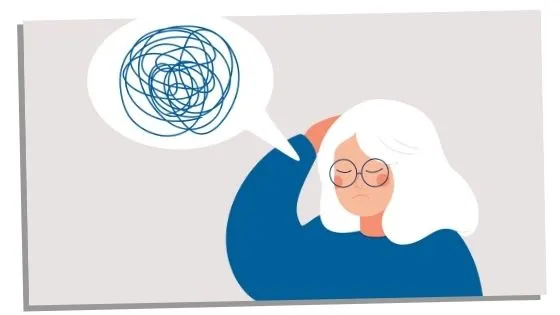
Persuading Decision Makers is Difficult
The Solution:
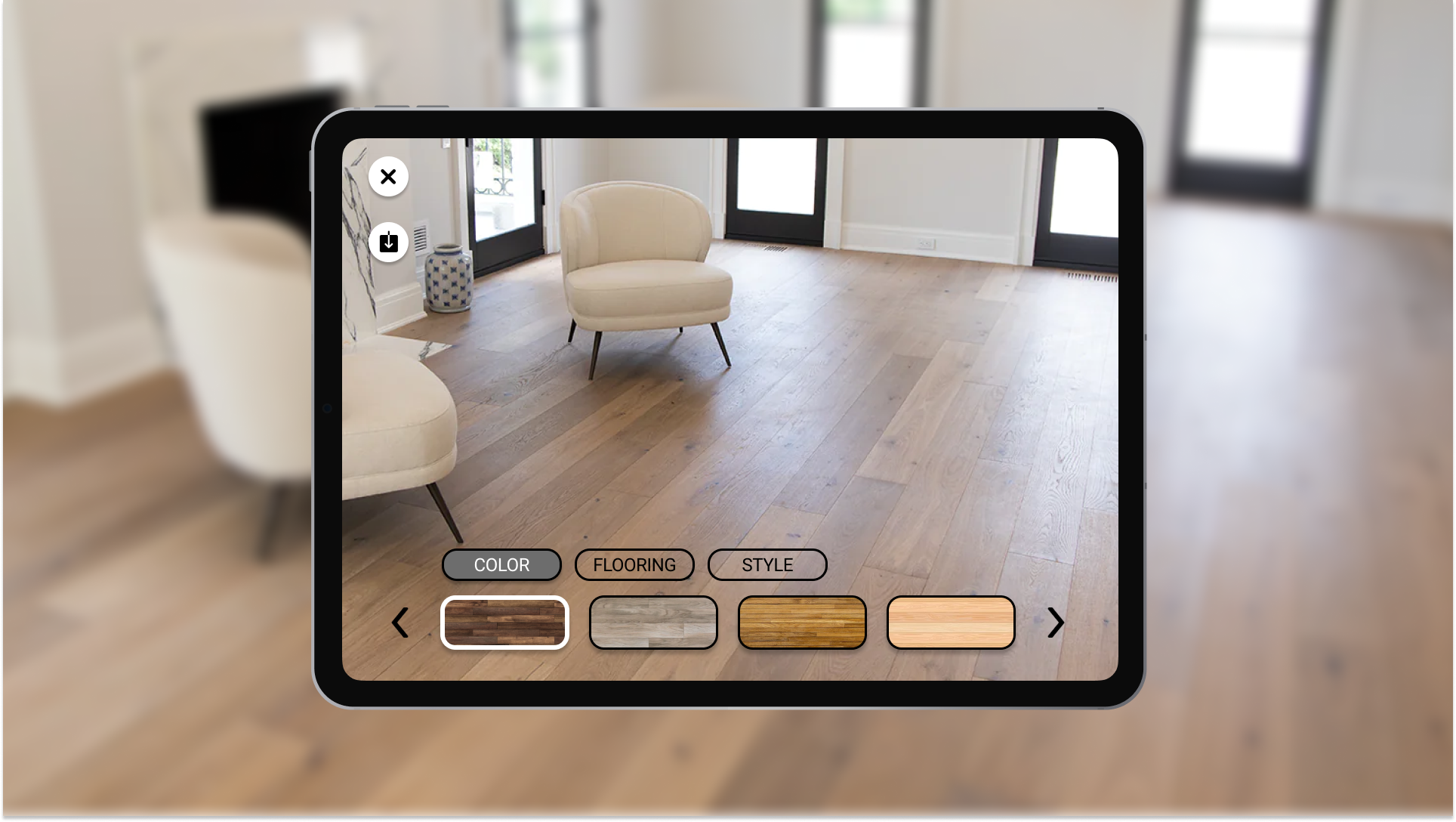
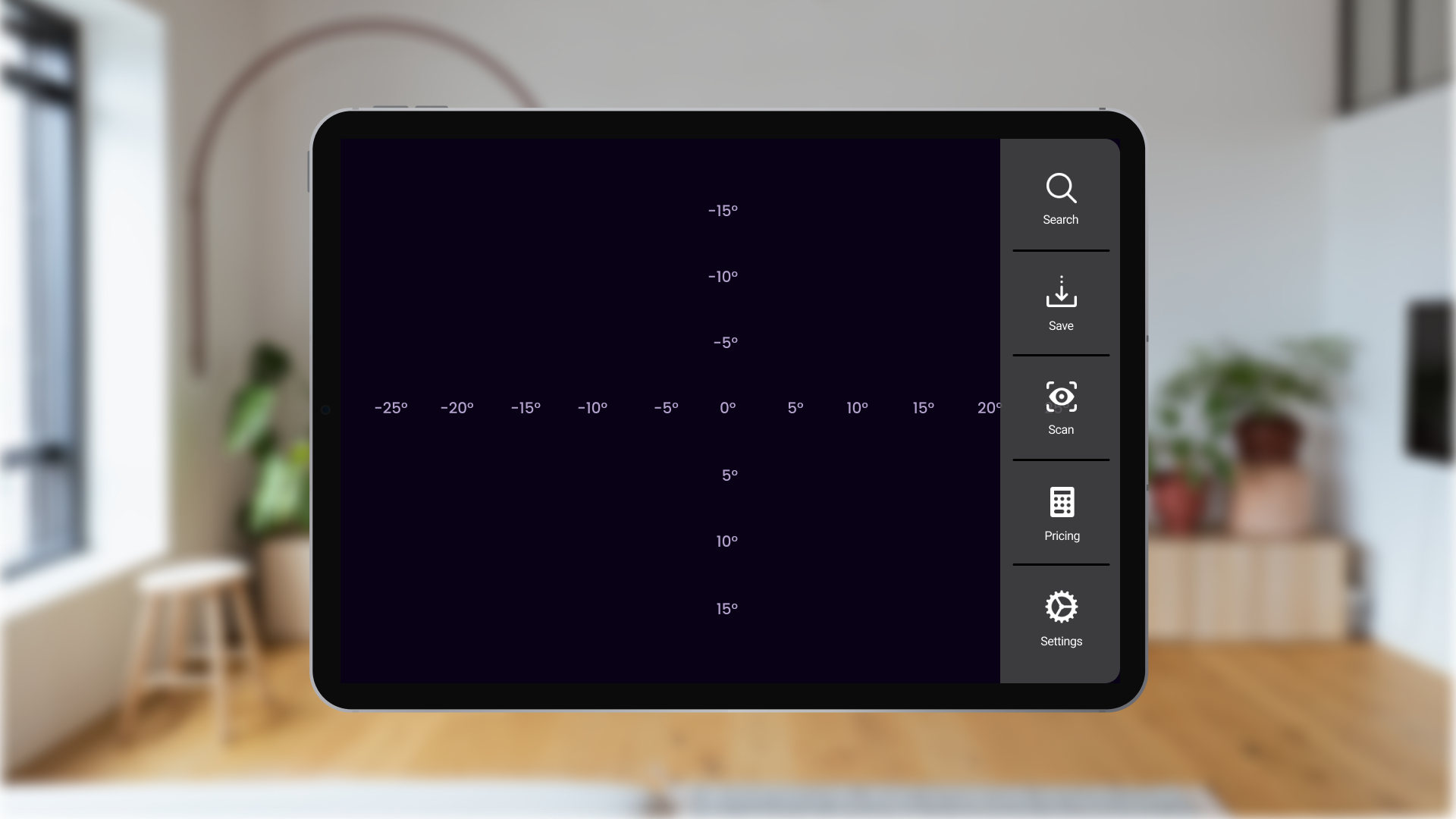
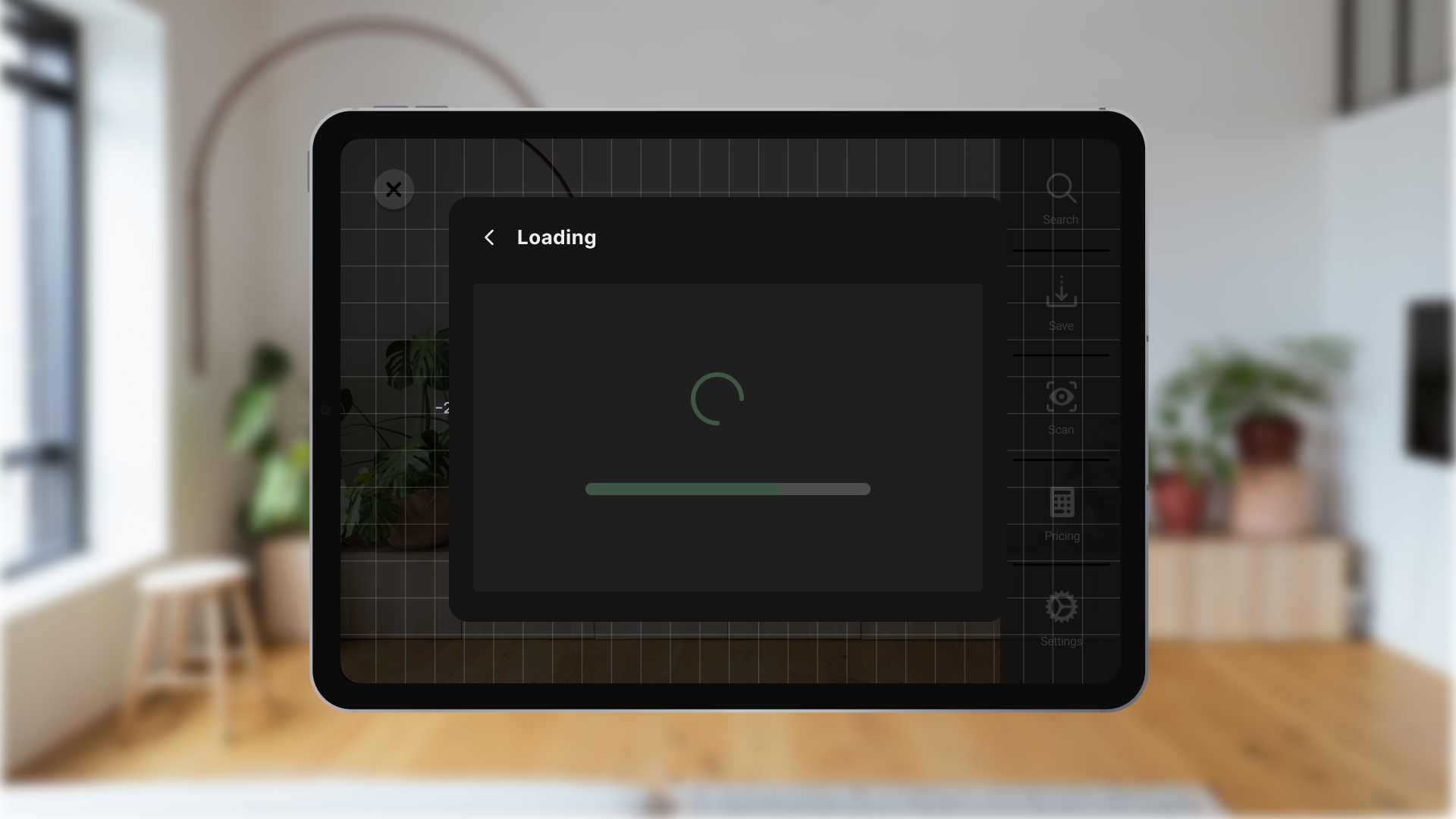
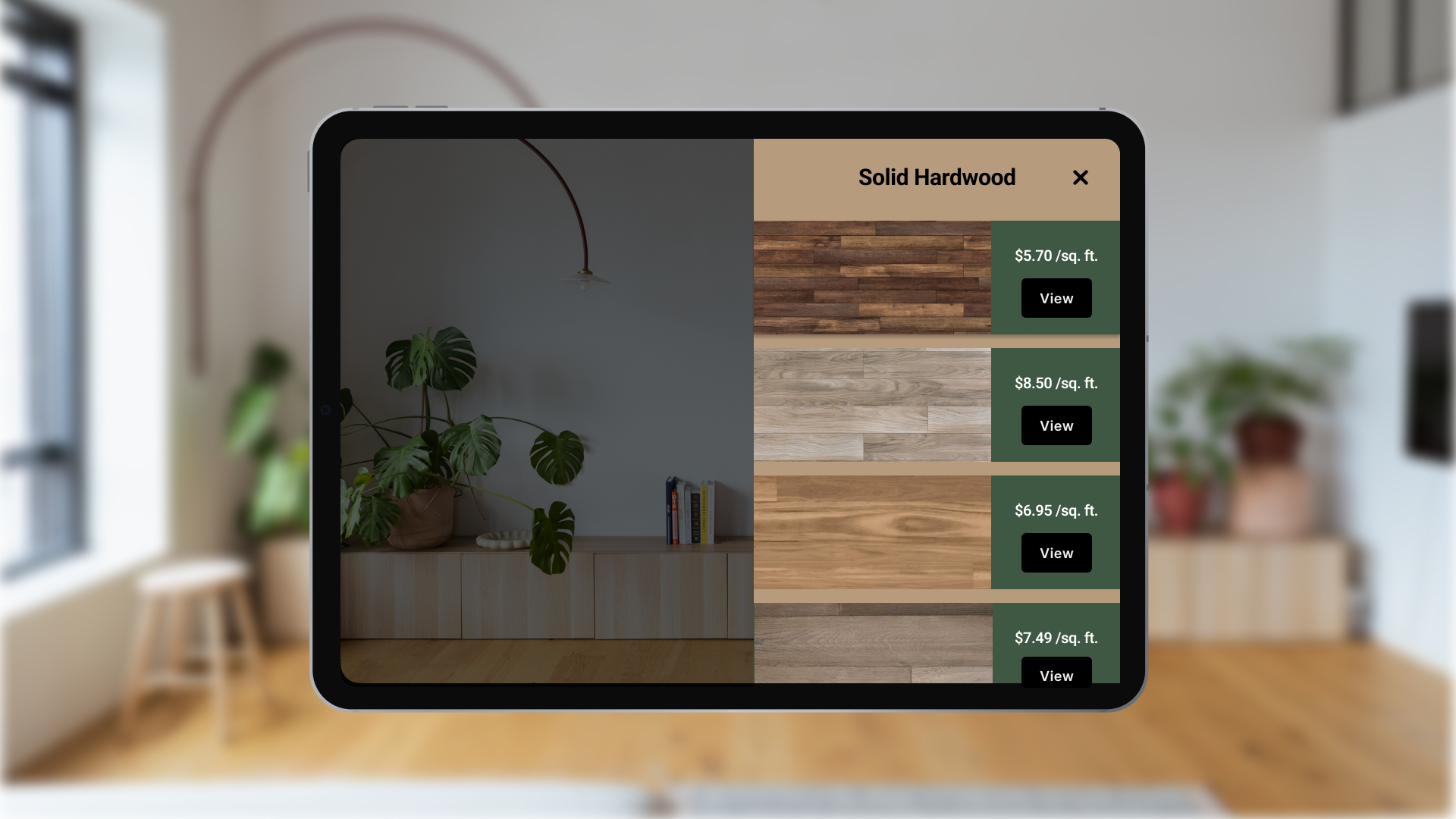
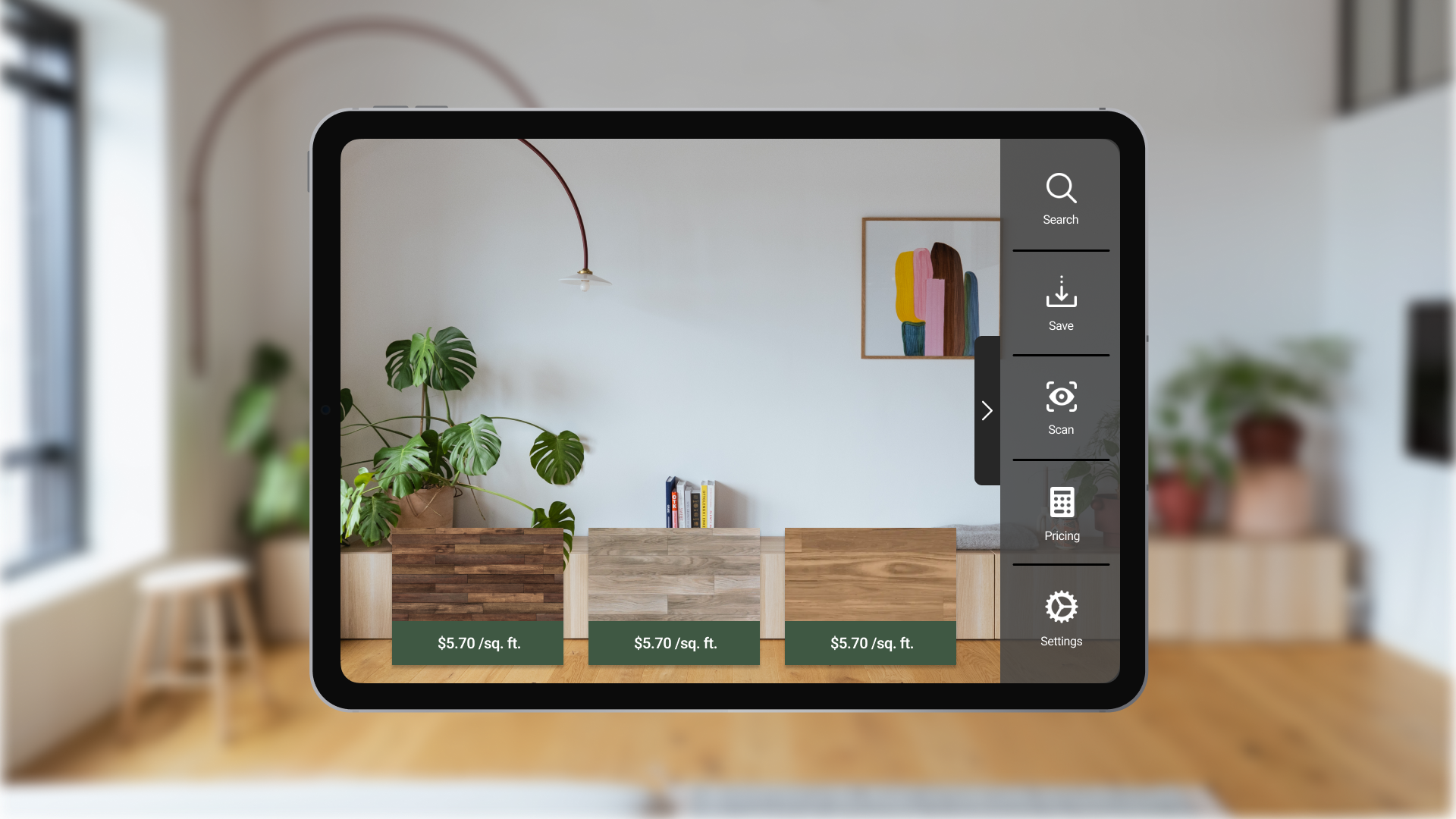
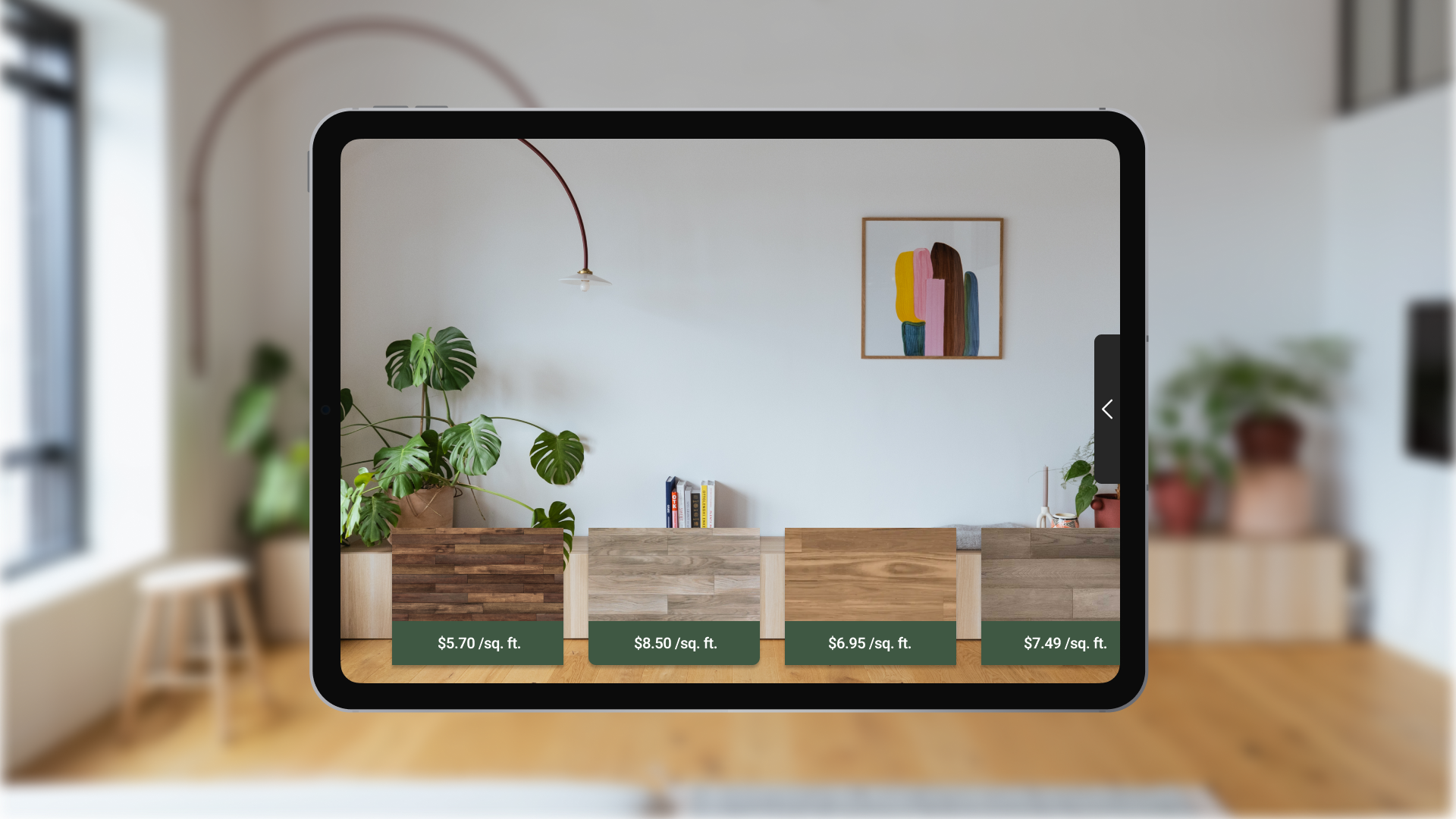
Our solution is to work with 3rd party AR developers and implement an AR-driven room scan application tailored to the needs of our sales teams. This tool will enable our sales professionals to scan the interior spaces of businesses and instantly overlay proposed renovations in real-time.
Using augmented reality, our sales team can demonstrate how different flooring, paint colors, and stairs could transform the interior. The solution will be user-friendly, responsive, and immersive, allowing business owners to experience the renovation possibilities firsthand. By offering this innovative AR room scan, Loudoun Stairs aims to bridge the visualization gap, boost client confidence, and accelerate the decision-making process, ultimately driving business growth and success.



Challange
Collaboration Challenge:
As the sole UX Designer at Loudoun Stairs, I faced the challenge of effectively collaborating with a 3rd party AR developer firm tasked with building the AR-driven room scan application.
Coordinating the design process, user experience, and visual elements while working remotely with external developers presents unique challenges, including communication gaps and aligning design vision.

Solution
Collaboration Challenge:
To address this collaboration challenge, I took a proactive approach to establish clear communication channels and shared expectations with our 3rd party AR developer firm. Regular video conferences, status updates, and screen-sharing sessions were scheduled to ensure that both teams were aligned in terms of design and development progress.
I developed a comprehensive UI/UX design documentation that included wireframes, visual prototypes, and design guidelines, ensuring that the external developers had a clear reference for implementing your design vision.
Usability testing and feedback loops were integrated into the project timeline. I conducted remote user testing sessions and communicated user feedback and design iterations to the 3rd party developers, fostering a collaborative environment for making necessary adjustments.

Takeaways
In my role as the sole UX Designer collaborating with a 3rd party AR developer firm at Loudoun Stairs for the AR-driven room scan project, I experienced significant professional growth. This project allowed me to sharpen my communication and collaboration skills, particularly in remote work settings. Coordinating with external developers required precise communication, proactive documentation, and maintaining a shared vision for the project. This experience enhanced my ability to bridge communication gaps and ensure alignment between design and development teams.
Moreover, the project deepened my understanding of AR technology and its potential applications. Designing a user-friendly UI for AR involved exploring the unique challenges and opportunities presented by augmented reality. It required me to create intuitive controls and an engaging AR experience while considering real-time interaction within physical spaces. This project expanded my skill set and reinforced the importance of user-centered design, ensuring that the AR application is both visually appealing and functionally seamless. Overall, this endeavor was not only a professional milestone but also a journey of discovery and innovation in the realm of AR-driven user experiences.

